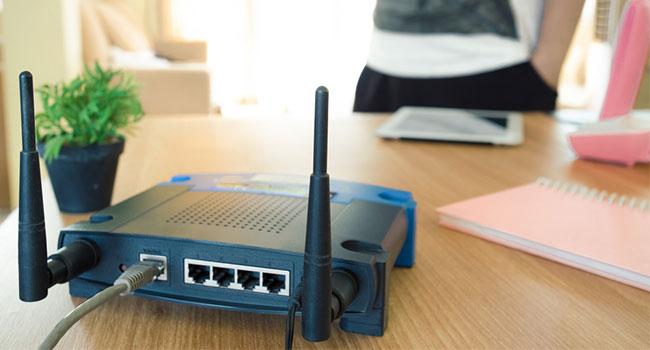
Researchers Warn 500,000 Consumer Routers Infected with Malware
Researchers find nearly half a million routers have been infected by malware.
- By Sydny Shepard
- May 29, 2018
Security researchers have found that nearly 500,000 consumer routers worldwide have been infected with a "sophisticated" malware.
According to a blog post by Cisco's cyberintelligence unit Talos, known devices impaced by the "VPNFilter" malware include manufacturers Linksys, MikroTik, Netgear and TP-Link.
Talos said that the malware can allow hackers to steal website credentials as well as render a router completely unusable, cutting off access to the internet.
"Since the affected devices are legitimately owned by businesses or individuals, malicious activity conducted from infected devices could be mistakenly attributed to those who were actually victims of the actor," the blog post reads.
Talos recommends owners of small and home office routers to reboot and reset them to factor defaults. They also are urging internet service providers to work with customers on making sure their routers are up to date with security patches.
About the Author
Sydny Shepard is the Executive Editor of Campus Security & Life Safety.