
January/February 2019
- A Slam Dunk
- Advancing on Two Fronts
- Tackling the Challenges
- Deploying a Cloud Strategy
- High Profile Security
Features
By Carrie Goetz
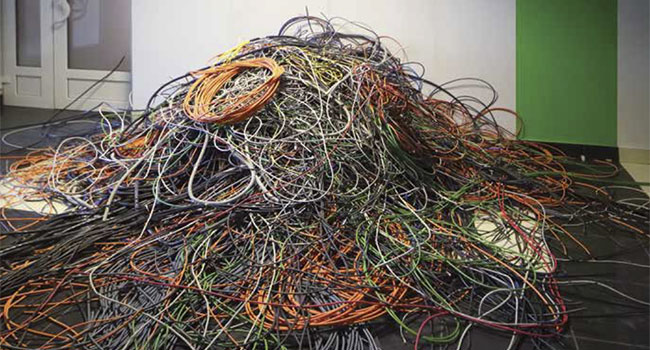
The government commands a lot of information in data centers, local municipalities, homeland security, health, and every touch that governments have with private citizens and companies. The data can be classified, private and public-facing as in forms.
By John Burke
As with any high-profile entertainment complex that draws more than one million visitors every year, the stadium faces complex and constantly evolving security challenges.

By Mark McCormack
With all this plus four lobbies and multiple entry points, security at American Airlines Center is a 24/7 responsibility. Finding the right camera system for such a diverse environment presented a challenge.
By Robin Tandon
The way that smart cards are issued has changed dramatically in the last several years with the advent of cloud-based systems that enable the entire process to be managed and executed remotely, and with printer/encoder breakthroughs that significantly boost throughput, reliability and energy efficiency.
By Andreas Pettersson
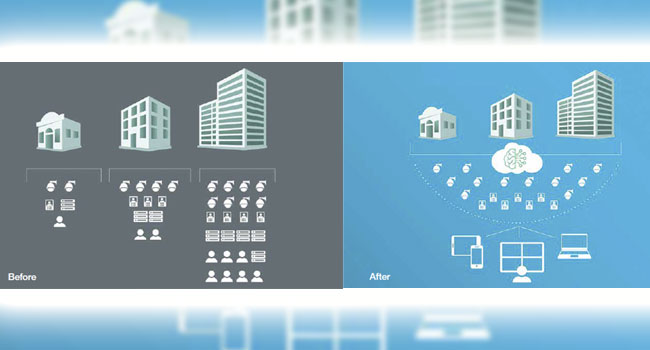
There’s enormous opportunity for all enterprises in the cloud, and those in the middle market are taking note.

By Mike Fong
Originally designed as consumer devices, smartphones have become vital elements of both our personal and professional lives. Unfortunately, as sources and repositories of our most sensitive data, smartphones have quickly become a primary attack surface for hackers, cybercriminals and foreign spies.
By Paul Kong
The technology behind today’s optical sensors and lenses has come a long way in trying to mimic some of the hallmark characteristics of the human visual system.
By Morgan Harris
It should come as no surprise that cybercrime is one of the biggest threats organizations of all shapes and sizes face today.
Government Security
EDITOR'S NOTE
By Ralph C. Jensen
The government has its fingers in everything, and it is necessary when you think about managing the nation’s infrastructure. Think carefully about securing the nation’s transportation system.

By Courtney Dillon Pedersen
Microwave sensors, also known as Radar, RF or Doppler sensors, detect walking, running or crawling human targets in outdoor environments.

By Paul Hefty
College and university campuses aren’t immune from the same types of crime, such as burglary and assault, found in any small city where thousands of people live and work closely together. Yet overall, campuses remain a mostly safe place for young adults to learn and mature.

By Richard Brent
At JFK Airport, immigration officers process hundreds of international passengers per flight. With the continual influx of people combined with limited staffing, law enforcement personnel are increasingly looking for technologies to enhance their efforts to deter illegal entry or trafficking and aid in crime investigation.

By S. Guerry Bruner
In today’s connected world, Intelligent Transportation Systems (ITS) play vital roles managing our Nation’s critical infrastructure including roadways, interstates, intersections, ports, mass transit lines, city traffic, and urban mobility.