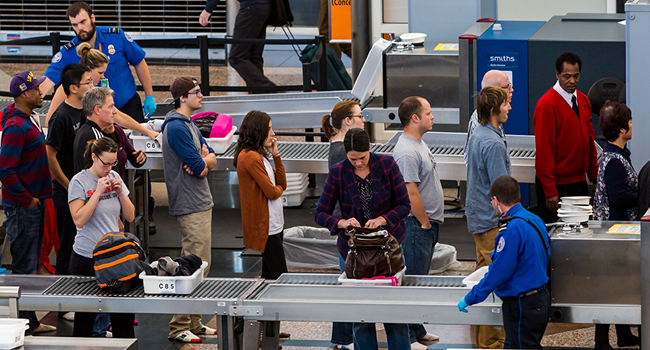
TSA Behavioral Program Not Recognizing Terrorists
- By Ginger Hill
- Apr 06, 2015
TSA is on the lookout for terrorists and acts of terrorism in airports so much so that it has invested $900 million on the program known as SPOT that uses “behavior indicators” to identify potential terrorists. But, when a 5-week study at a major international airport in the United States indicated the year SPOT started that only 4 percent of passengers were referred to secondary screening or law enforcement, it was soon recognized that the majority of arrests, 90 percent, in fact, were due to immigration violations.
Although these results may seem a bit “off” to us, TSA agents and others involved in SPOT aren’t surprised. Parts of the SPOT checklist were modeled after immigration, border and drug interdiction programs, and include nervousness and confusion, clear signs of drug smugglers or those in possession of fraudulent documents, apparently not the behaviors a terrorist would exhibit.
Image: Arina P Habich / Shutterstock.com
About the Author
Ginger Hill is Group Social Media Manager.