Securitas Addresses Industry Labor Crisis With Free Tuition Program
In an exclusive interview, Securitas executive Chrissy Toskos discusses a new tuition-free program targeting frontline workforce retention.
- By Jesse Jacobs
- Jul 16, 2026
The security industry is confronting an operational turning point driven by persistent workforce shortages, high employee turnover rates and the rapid deployment of artificial intelligence and automated surveillance technology.
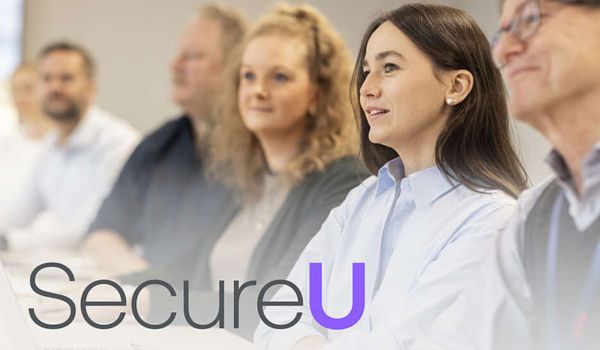
To stabilize its frontline workforce and prepare personnel for increasingly technical environments, industry leader Securitas has launched a tuition-free education program. Known as the SecureU Education Benefit Program, the initiative operates through a corporate partnership with workforce development platform Guild to offer comprehensive learning benefits to both frontline guards and corporate staff.
Company executives view the program as a core business strategy designed to counter the labor shortages that have long challenged the private security landscape. Speaking in an exclusive interview with Security Today, Chrissy Toskos, Chief People Experience Officer at Securitas, explained that removing financial barriers to long-term education fundamentally alters how employees view their tenure within the firm.
“When employees can see a future with an organization, they're more likely to stay and grow with it,” Toskos said, noting that the enterprise provides 100% tuition-paid educational opportunities. “It’s an investment in our people that strengthens retention, builds capability and helps us attract individuals who are looking for more than just a job.”
The initiative arrives amid a structural shift in day-to-day security operations. Modern facilities increasingly rely on integrated remote guarding platforms, predictive data patterns and smart automated cameras. While these advancements automate baseline reporting, industry leadership emphasizes that advanced technology shifts rather than replaces human oversight.
Toskos added that maintaining human personnel within intelligent loops remains critical because machine learning cannot replicate human judgment. In practice, operational technology acts as an information conduit, but on-duty officers must apply critical thinking, communication and empathy to manage real-world incidents.
“Technology helps elevate their role, but it doesn't replace the human element that is essential to effective security,” Toskos clarified.
The program provides employees access to college degrees, specialized professional certificates and structured skill courses focused on technology, business administration and organizational leadership. Dedicated career tracks, such as Security Technology & Intelligence, are specifically mapped out to help traditional security officers transition into high-demand technical positions, including remote operations center analysts and technical support personnel.
To accommodate the irregular scheduling realities of frontline guard work, which often involves extended night shifts and rotating weekend hours; the platform operates entirely on flexible, self-paced academic timelines. Program coordinators emphasize that education must remain structurally achievable alongside full-time operational duties to preserve workplace equity.
Corporate clients are expected to see direct operational advantages from the academic program. As frontline guards build advanced competencies in digital literacy and analytical problem-solving, their capability to proactively mitigate complex risks improves.
“Our strategy is only as strong as our people,” Toskos said. “Investing in our workforce ultimately strengthens the experience we provide our clients and enhances the safety and security outcomes they depend on us to deliver.”
While the educational track runs alongside the company's internal operational training, it focuses strictly on long-term professional capabilities rather than mandatory technical training. Performance over the inaugural year will be tracked using metrics tied to employee participation, retention rates, internal corporate mobility and academic completion data.