Securing Rural Projects: Mitigating Theft and Vandalism Outside City Limits
Deploying a multi-layered security strategy protects isolated rural jobsites from organized theft, vandalism, and liability.
- By Frank Sheldone
- Aug 14, 2026
Rural construction sites are uniquely appealing to criminals compared with other sites. When entering the construction industry, it is easy to assume that a rural jobsite, nestled far from the metro area's high-crime statistics, is inherently safer. The air is quieter, the surroundings are open, and the chaotic foot traffic of the city is miles away.
In reality, the geographic isolation makes it a target for organized theft and vandalism. These locations suffer from critical vulnerabilities, including a lack of light, a complete lack of public surveillance (from passersby or neighboring windows), and significantly delayed law enforcement response times.
When a security breach occurs miles outside of town, local authorities may take much longer to arrive. This gives offenders the time and autonomy to steal heavy machinery, strip copper, injure themselves, or vandalize specialized equipment. Failing to implement a robust, proactive security strategy for rural projects does more than threaten your inventory; it exposes your company to severe project delays, massive financial liability, ruined equipment that insurance may not fully cover, and even potential injury.
By implementing a proactive, layered security framework tailored for remote environments, you can effectively turn your vulnerable jobsite into a hard target that offenders would rather bypass than breach.
Invest in Perimeter Fencing and Signage
If a trespasser enters your construction site and is injured, there could be significant liability. Many think there is none because they were partaking in criminal activity, but that’s not true. You need to make sure you do your due diligence, securing the perimeter and deterring thieves before potential injury occurs.
First and foremost, you need to make sure the perimeter is fenced in properly. Invest in a chain-link security fence that goes around the perimeter. It needs to be at least 6 feet tall to make it more difficult for people to climb over.
It’s pivotal that you regularly inspect these fences. Make sure the panels are solid, the fences are sturdy, and nothing has been cut into them.
Proper signage is also critical. For both liability and safety reasons, you need to have visible danger and construction zone signs at every access point and at 100-foot intervals.
Cameras With Motion Detection
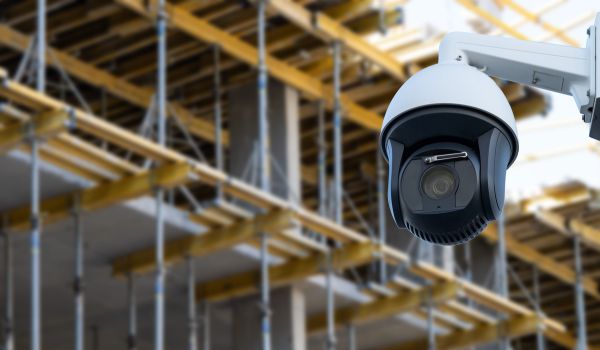
Cameras with motion detection sensors are critical for rural job sites. With artificial intelligence capabilities, they are more advanced than ever.
A common misconception about these cameras is that you need Wi-Fi or an internet connection for them to work. Many of them actually run off a cellular network. They can also be connected to Starlink, a satellite internet constellation popular for providing connectivity in rural areas.
Cameras should be placed to overlook the entire perimeter. Set up the notifications to alert security and the site manager. Make sure it’s not a false alarm before calling first responders, especially if the cameras have AI capabilities.
Program the AI to only notify you for certain things to avoid things like wild animals or tumbleweeds setting off the sensors. The last thing you want is law enforcement to drive out there to find nothing has happened.
Have an On-Site Security Presence
Having a security presence on site is essential. The last thing you want is thieves and vandals stealing and destroying equipment while the cameras are watching and notifying people who are too far away to do anything.
It typically takes first responders at least 15-30 minutes to respond to emergencies in rural areas, sometimes hours, depending on the severity level of the call. This is enough time for criminals to get in, do what they came to do, and get out if they’re lucky enough to avoid injury.
The number of guards you need depends on the size of the project. Your security company can help guide you; however, a good rule of thumb is that each guard should take no more than about 30-60 minutes to patrol their area. If the project is large enough, investing in a golf cart or UTV to help them get around is helpful.
Conceal Materials and Equipment
It’s critical that you conceal all materials, supplies, and tools. Because of their high scrap value, thieves specifically target copper and electrical system components.
For these materials, make sure that they are locked away in a Conex box. These are the best ways to keep valuables safe because a thief would have to weld their way in. Make sure your security team has an eye on it.
The quiet serenity of a rural jobsite should never be mistaken for safety. By layering your defenses, combining physical barriers, smart AI-driven cameras, an on-site guard presence, and secure lockboxes, you shift the odds back in your favor. Protecting a remote project takes deliberate effort. Don't wait for a costly middle-of-the-night wakeup call to realize that the best defense is a proactive one.