The Golden Years
Senior living facility has mastered key management
- By Mike McGovern, Mike Conery
- Apr 01, 2009
 When Southern California senior living facility Casa de las Campanas needed to implement an effective method for managing keys, officials asked Deister Electronics to help them design a proxSafe® electronic key management system. The system had to be secure, efficient and reliable. With an average population of 570 residents, ranging across all levels of care, the facility’s management feels a strong sense of responsibility to their clients.
Like many healthcare and senior care facilities, Casa de las Campanas was cognizant of the need for greater efficiency and security required in today’s fast-paced world. They recognized the increased cost of manning key stations and log books, replacing lost keys and cylinders, and tracking down misplaced keys. Security also is a primary concern as residents, patients and families expect utmost safety when selecting a long-term care facility.
Unique Challenges
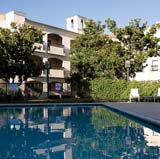
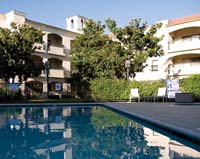
Casa is a not-for-profit continuing-care retirement community located on 24 acres in Rancho Bernardo, Calif., 25 miles north of San Diego. The 20-year-old facility measures nearly 750,000 square feet and is made up of three main complexes. It is one of the largest and most comprehensive retirement facilities in California. All levels of care are provided at Casa, which makes it a sought-after location for seniors and their families, but also presents unique security and safety management issues.
The community consists of 394 independent living apartments, 18 assisted living units, 18 assisted living dementia care units and a 99-bed skilled nursing center. Casa and its contracted management company, Life Care Services LLC, take great pride in distinguishing themselves within the senior care industry by embracing technology that improves service to the clients.
Managing keys is critical for a senior care or healthcare facility to run smoothly and efficiently. Lost or misplaced keys cost plenty in terms of both hours and dollars. At Casa, there are 18 maintenance staff and 14 security staff, all of whom need to access master key sets at varying times throughout a 24-hour period. Casa’s clients expect to be provided a safe environment, so this was an additional paramount consideration by facility management.
Selection Considerations
Casa management was no stranger to electronic key management, but their existing system did not provide the necessary level of information or usefulness. Casa needed a system that was scalable, easy to use and networkable.
The Casa facility uses the Medeco locking system for internal and exterior keys, and all the keys are managed. Every member of Casa staff carries a photo access card for time-and-attendance purposes, so management did not want to reissue additional cards for key cabinet credentials.
Casa management also needed to be able to issue temporary key access credentials to contractors working on the premises. With a facility of this size, some construction and remodeling is always taking place. Management wanted an electronic key management system that would grant them access to certain keys on a temporary basis.
Management at Casa de las Campanas carefully vetted several key control products, including the proxSafe key management system by Deister Electronics USA Inc., of Manassas, Va. Officials selected the proxSafe system based on Casa’s needs but also because of Deister’s experience with RFID technologies for security and logistics.
The proxSafe system provided a networkable system with Web-based software, as well as maintenance-free RFID key tags. Casa’s management had researched the company’s history and felt very confident in the level and longevity of technical support available.
Everyday Use of the System
On a daily basis, many departments at Casa need to use key management systems. Besides Casa’s maintenance and security personnel, there is daily key access by members of the reception, dining services and transportation staff.
For example, Casa’s transportation drivers work odd shifts supporting the activities department. A typical task is to take the residents to a baseball game or the opera. The drivers can come in at any hour and pick up keys to the vehicles. At the conclusion of the trip, the keys are returned to the key system and ready for the next driver. With the new system, Casa management no longer had to be concerned about the whereabouts of the keys.
Casa also needed a way to manage master keys. A single master key set gives access to numerous doors, so they needed to be accounted for at all times. Casa’s management strategically created separate master sets for several offices such as human resources and the administration offices. This master key is secured in the proxSafe cabinet and accessible only with a secret code. Overall, this system has provided a high level of peace of mind for management at Casa de las Campanas.
This article originally appeared in the issue of .