TSA Testing New Idea to Speed up Airport Security
- By Sydny Shepard
- Jul 12, 2016
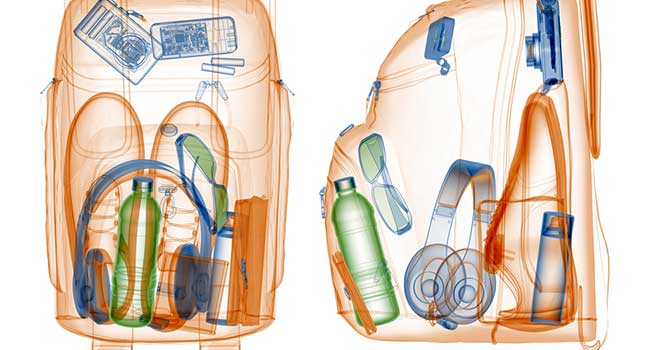
Federal officials are expanding tests to speed up airport lines and improve security. On July 6, the Transportation Security Administration said that it plans to begin using computed-tomography or CT scanners to inspect carry-on bags at one checkpoint in the Phoenix airport by the end of the year.
CT scanners are already used to screen checked baggage. The process is mostly automated as the scanners generate a 3-D image that is analyzed by computers. Security workers only check a bag if something seems suspicious.
The use of CT scanners at security checkpoints would eliminate the need for screeners to examine x-ray images of every bag that goes through the line. It could also let travelers leave liquids and laptops in the carry-on bags.
TSA said it will work with American Airlines to make other changes to increase automation and speed up screening this fall in Chicago, Dallas, Los Angeles and Miami.
The agency says the scanners and other steps will cut the time travelers spend in line by about 30 percent. Security experts warn that the long lines create targets for terrorists that out outside security checkpoints.
About the Author
Sydny Shepard is the Executive Editor of Campus Security & Life Safety.