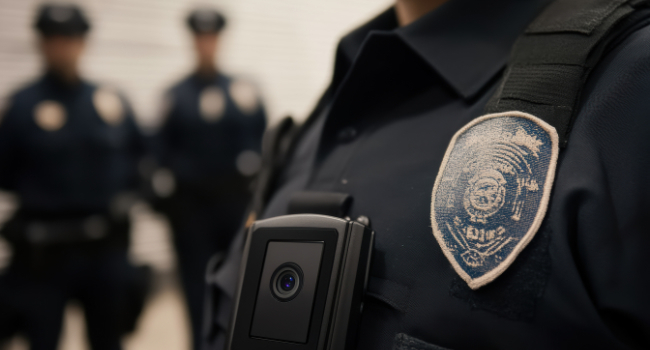
Body-Worn Cameras on the Rise
On the evening of Oct. 29, 2024, the owner of 300 Guard based in Houston, was shot while on duty at a convenience store. He returned fire. He was wearing a plated vest and thankfully recovered in the hospital.
The other thing the security guard was wearing that "saved his life" was a body-worn camera. He attributes the camera's footage to enabling him to establish a clear-cut case for why he returned fire on the suspect, who was arrested that evening, also thanks (Jonathan says) to the footage from the bodycam.
While law enforcement is the best-known use case for bodycams, they are also being adopted more heavily in the private sector, including retail, transportation and private security.
For private security, one of those driving factors is a reduction in police headcount. A First Analysis report from 2023 titled, "Internet of Things: Use of bodycams outside law enforcement set for dramatic rise," noted full-time sworn-officer headcount had – at the time – had declined for three consecutive years. Private security is being tapped as a first line of defense, and by 2021, the number of security guards nationally outstripped the number of police officers, according to an article in Governing.com.
Another factor behind the rise of bodycams in the private sector is the need for increased accountability, improved safety and transparency in work environments that are considered high risk. And yes, that includes places like retail stores where 80% of frontline retail workers said they feel unsafe on the job, according to a 2024 survey by Axonify. That finding comes as customer incivility is on the rise, making frontline teams the first line of defense in managing unruly or unlawful customers.
The use of body-worn cameras in the private sector is still in somewhat early stages, but the technology has already proven beneficial in these ways:
De-escalating and Resolving Conflict
Bodycams have the potential to de-escalate volatile situations and aid impactfully with conflict resolution. It is often true that simply the presence of a camera can deter unlawful behavior. When that is not the case, security staff wearing bodycams are trained to defuse challenging situations with strategic de-escalation techniques.
Further, that footage becomes a valuable training tool for handling similar situations in the future. It can be used to analyze interactions and help improve guard performance in challenging scenarios.
Body-worn camera footage provides an objective account of the events leading up to an incident, if one still occurs, which helps with the impartial resolution of disputes.
Enhancing Data Security and Privacy
Despite the benefits of bodycams, they also raise data security and privacy considerations that must be addressed. Private security firms and others deploying the cameras should have strict protocols for safeguarding video footage and ensuring compliance with relevant privacy regulations. This can cover everything from data retention policies to encryption to the confidentiality of video footage.
This is where the value in having both the bodycam hardware, and a secure data platform comes in. Users can ensure footage is encrypted on the camera and uploaded directly and securely to the platform. They can manage user permissions to limit who can access the data, ensuring it is safeguarded, backed-up and ready for easy retrieval by only the appropriate parties when needed.
Increasing Situational Awareness
Body-worn cameras serve as the eyes and ears of security staff and increasingly – frontline teams – providing a first-person perspective of what is happening around them. The devices are outfitted with high-def cameras and audio recording capabilities, making them a critical tool for capturing information as incidents unfold. Whether patrolling a crowded venue or managing a disturbance on public transit, the technology arms the wearer with invaluable situational awareness. This helps them assess threats and respond in the best way possible.
Another benefit of bodycams is the ability to livestream, allowing teams on the ground to relay real-time footage from multiple viewpoints to off-site monitors who can help coordinate response efforts. Having an unfiltered, comprehensive view of the environment enables personnel to anticipate and address security concerns quickly and smoothly.
Deploying body-worn cameras can encourage a culture of transparency for the user whether a security firm, retailer, transportation provider or beyond. Recording interactions between personnel and customers promotes adherence both to ethical conduct and professional standards, and it helps resolve conflicting "he-said/she-said" accounts protecting the employee every bit as much as the patron of an establishment.
Beyond their operational benefits, bodycams are a valuable training and professional development tool. Footage can be used for post-incident analysis and debriefing, allowing security personnel to review and reflect on their actions and identify ways to improve. This, in turn, fosters a culture of continuous learning and improvement.
Bodycam footage can also be incorporated into training programs whereby it provides real examples of security protocols and best practices. By immersing trainees in scenarios based on actual incidents, teams can use the footage for experiential learning and enhance the proficiency of their employees.
Do not be surprised next time you are in a store and see the checkout clerk wearing a bodycam. Same goes for riding the train and observing transit staff outfitted with the cameras. As the need for new safety and security technology grows to curb spikes in violence, theft and other unlawful behavior in everyday settings, bodycams are proving to be a useful tool for increasing safety and accountability for those wearing them and others in the periphery.