
Americans Overconfident Despite Rising Cyber Risks
New survey data reveals a significant gap between perceived digital safety and the actual security habits of U.S. consumers.
- By Jesse Jacobs
- Apr 07, 2026
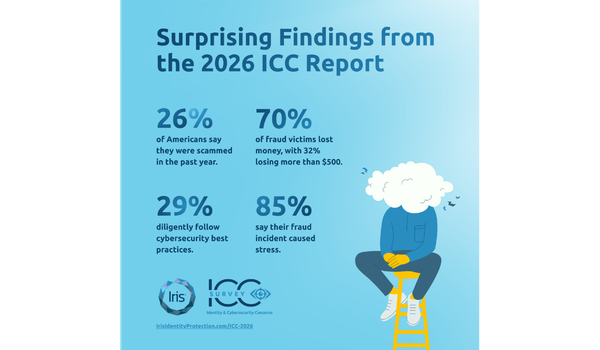
A new report on consumer digital habits shows that while 84% of Americans feel secure using their internet-connected devices, only 29% actually follow recommended cybersecurity best practices. This disconnect comes as 69% of adults report being targeted by scams within the last year.
The Reality of Victimization
According to the second annual Identity & Cybersecurity Concerns (ICC) Survey, one in four Americans fell victim to a scam in the past year. The financial and emotional toll of these incidents is substantial:
- Financial Impact: 70% of fraud victims lost money, with 32% losing more than $500.
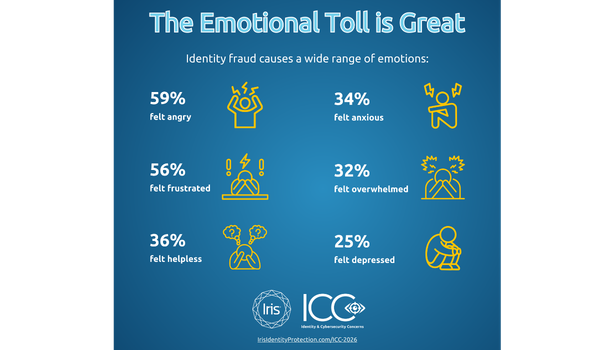
- Emotional Toll: 85% of victims reported that the incident caused significant stress, including feelings of anger (59%), frustration (56%), and helplessness (36%).
- Resolution Time: 36% of victims spent several days or more resolving the issue, while 12% are still awaiting a resolution.
Emerging Fears and Barriers
Artificial intelligence has become a primary source of anxiety, with 73% of respondents expressing concern over its malicious use. Despite this fear, only 9% reported direct experience with AI-driven scams, suggesting that traditional methods like phone calls (36%) and phishing (31%) remain the dominant threats.
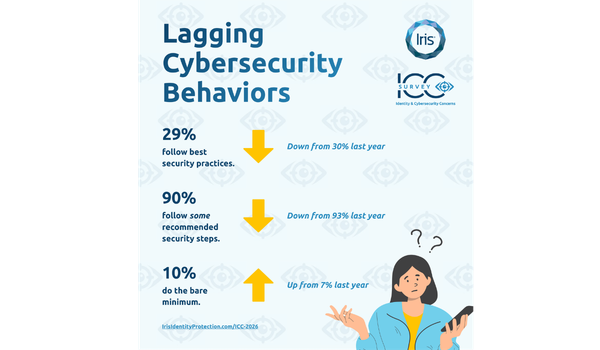
Access to protection tools is also trending downward. The number of consumers reporting no access to identity protection services rose to 22%, up from 18% the previous year. Access to foundational tools like credit monitoring (44%) and password managers (43%) remains below the 50% mark.
Demand for Integration
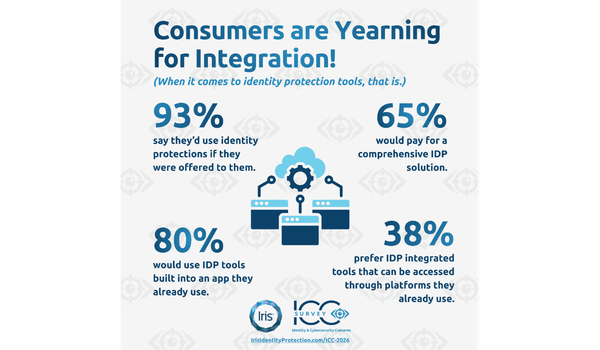
The data suggests that the complexity of managing multiple security apps is a barrier to adoption. Approximately 80% of Americans indicated they would use identity protection tools if they were integrated into apps they already use. Furthermore, 38% of consumers prefer integrated digital experiences over standalone security websites or applications.