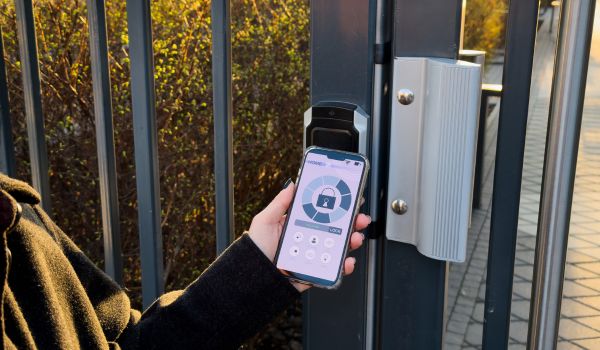
By Aubree Kirkes
Commercial and mixed-use developments require precise hardware selection to prevent premature maintenance costs without overbuilding low-traffic openings.
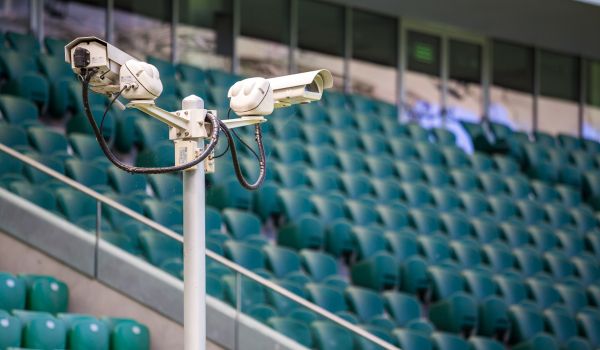
By Dean Cunningham
Modern stadium security operates like a temporary city command center, merging regional transit data and AI video analytics to ensure frictionless fan experiences.

By Ralph C. Jensen
After five decades covering security technology, adapting to digital transformation requires shifting from static print reporting to interactive, multi-format digital engagement.

By Adam Lowenstein
Deploying natural-language Generative AI directly on edge devices protects critical infrastructure by accelerating forensic search without creating cloud cyber exposures.

By Mathieu Chevalier
Migrating physical security IoT devices to hybrid cloud architectures shifts maintenance burdens while shielding networks against escalating device hacking threats.
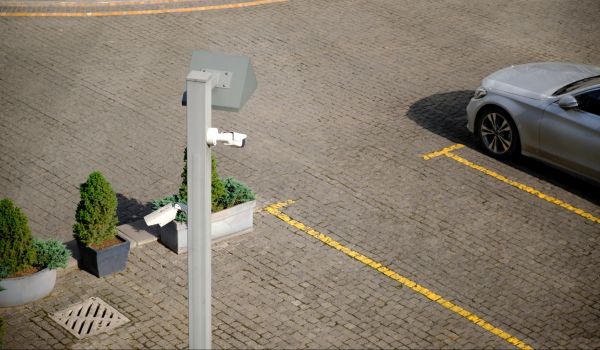
By Timothy English
Single-sensor acoustic detection paired with on-device AI transforms high-risk parking lots from reactive blind spots into real-time threat verification zones.

By Rick Bentley
Dual-tasking remote security guards during off-peak hours creates a continuous feedback loop that replaces stock dataset training with real-world surveillance context.

By Jim Dearing
Converging physical and digital identity while deploying mobile credentials and edge intelligence enables organizations to modernize access control without expensive rip-and-replace overhauls.

By Kumar Sokka
Connecting legacy infrastructure to unified cloud management platforms eliminates operational silos and migration risks without forcing disruptive "rip and replace" projects.

By Ty L. Richmond
Modern mega-event security requires transitioning from static checklists to dynamic risk mitigation frameworks that integrate unified command hubs with advanced screening technologies.