Building a Winning Security Playbook
Modern mega-event security requires transitioning from static checklists to dynamic risk mitigation frameworks that integrate unified command hubs with advanced screening technologies.
- By Ty L. Richmond
- Jul 28, 2026
Modern sports venue security has evolved far beyond stand-alone security considerations that do not evaluate holistic and integrated resources, systems and processes. This summer’s FIFA World Cup is a perfect illustration of the scale and complexity associated with today’s more complex and high-visibility sports and entertainment events.
As the threat landscape continues to shift and events become broader entertainment activities, security leaders must adopt operational models that combine consistent approaches and methodologies. An integrated planning model will create operational plans that incorporate risks assessments, resource deployment, emergency response, intelligence and technology to deliver a safe and memorable experience.
The Operational Plan
From an operational standpoint, here are requirements to create a well thought out Operational Plan that produces a safe and enjoyable experience and delivers services and solutions that protect people, property and the brand of all entities associated with an event.
Pre-event planning and intelligence. Rather than relying on static checklists, security teams are increasingly conducting dynamic risk mitigation actions that continuously evaluate event objectives that consider the event profile itself. Fan experience objectives, crowd actions and behavior, geopolitical and venue-related intelligence and vulnerabilities help formulate the strategies and plans for the event.
Information sharing between venue operations, security, guest services and emergency response resources is key during all phases of the event. Contingency plans and defined responses should also be in place for active threats, suspicious packages, mass medical events, severe weather and other potential hazards.
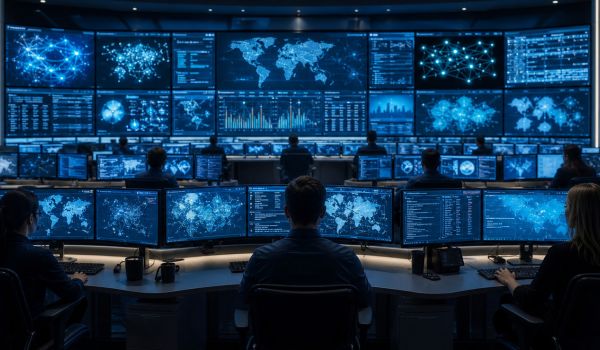
Unified command. A best practice for major events is the use of a unified Event Operations Center (EOC). On the day of the event, the EOC serves as a real-time command hub where security leaders, venue operators, medical teams and public safety partners share information and coordinate response. Integrating surveillance feeds, incident reporting systems, communications platforms and intelligence monitoring into a single environment creates a shared, real-time understanding of event conditions.
Technology. This is another critical part. High-throughput weapons detection systems, AI-assisted video analytics, mobile incident reporting and integrated communications platforms should be used to support faster response and improved situational awareness. However, technology on its own is not the answer; its effectiveness depends on the integration into operational workflows and human decision-making.
With the sports and entertainment industry in the spotlight more than ever, a comprehensive operations approach to security is no longer optional, it is foundational. The risk profile of each event is unique, and security strategies must be tailored accordingly with these best practices serving as a baseline for creating a safe and memorable event.
This article originally appeared in the July/August 2026 issue of Security Today.
About the Author
Ty L. Richmond is president, Allied Universal Risk Advisory & Consulting Services, which includes oversight of Executive Protection and Intelligence Services, Event Services and Compliance and Investigations.