5 Steps to Derail an Attack on a Soft Target
- By Sydny Shepard
- Nov 23, 2015
Since the terrorist attacks overseas in November, United States officials are on high alert. The incidents in Paris, Beirut, Belgium and Mali have proved that terrorists are currently targeting areas populated greatly by civilians. Security experts call these kinds of places soft targets. They are easy for a terrorist to strike, and nearly impossible for heroic individuals to defend.
In the days following the threats overseas, many American cities have been under the threat of a potential attack. Washington D.C. was one of the first to be called out by name and in the subsequent weeks, New York City and Atlanta have also heard their named mentioned in conjunction with a terrorist attack.
While there is no concrete threat towards any place in the United States as of currently, authorities urge security professionals to engage with those in the vicinity in order to better to protect from a potential threat.
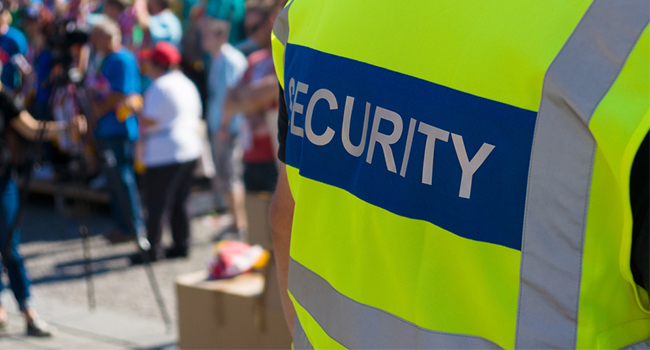
“Instead of just having a passive security guards who stand still, engage in conversation,” William Braniff, the executive director of the National Consortium for the Study of Terrorism and Responses to Terrorism said. “Move around outside of a sports venue, outside of a shopping mall and engage with people. By doing this, you’re not off-putting, you’re not menacing. Instead, you are just probing a little bit.”
The idea is for security teams to ask questions about why people came to the venue and who they are all while looking for people who may be nervous or seem out of place. If someone is not able to provide basic answers or seems overly nervous, security can intercept a potential attacker before he is prepared to strike, giving security a better chance at disrupting the attack.
Minneapolis police, in conjunction with the NFL and terrorism experts have put together a set of instructions for people in the city explaining how to intercept terrorists before they can attack. These steps can be used by police, security officers, or civilians.
There are eight steps of instruction based on intelligence that suggests ISIS and al-Qaida terrorists have gone through great lengths to prepare their attacks in the past. Each step provides an opportunity to derail an attack before it happens.
The first step is Surveillance. Often, terrorists will observe the site of a planned attack well in advance, sometimes even with enhanced vision devices. Look out for those taking pictures of things tourists normally wouldn’t bother with – doors, security checkpoints, and staff areas.
The next is Information Gathering; the initial observations can include asking detailed questions of people onsite about things like shift changes, or access to facilities. Also, watch for people who seem to be testing the security officers, the next step in the sequence. Sometimes those who are leading an attack will conducts tests, like creating a disturbance just to see how long it takes for an official to engage.
Sometimes, terrorist try to disguise themselves as construction workers, hospital officials or even police to gain access to places they are not supposed to be. Be wary of those who seem to slip from place to place undetected and be on the lookout for reports of missing gear.
Last but not least, the final moment in which to derail an attack is right before deployment. In the last minutes before the strike, they will be gathering gear and transporting themselves to the scene. Look out for people who may be concealing weapons under their clothing or may be rushed to get somewhere.
As always, if you see anything suspicious, immediately call 911. The faster the police can arrive to the scene, the less time the attackers will have before someone stops them.
About the Author
Sydny Shepard is the Executive Editor of Campus Security & Life Safety.