An Iron Solution
Delivering a breakthrough in industry technology
- By JR Andrews
- Apr 01, 2019
One of the primary criteria for any surveillance, access
or security system is the requirement for a consistent
and reliable power source, as even the most complex
and expensive system solutions will be rendered useless
if power is interrupted. Consequently, almost
every DC operated power and transmission product deployed today
includes some form of battery charging and back-up to help ensure
that mission critical systems continue to operate when their primary
AC input source is disrupted.
For more than 40 years, Sealed Lead Acid (SLA) battery charging
and back-up has been the longstanding go-to solution, but now
there’s a new and extremely efficient option available.
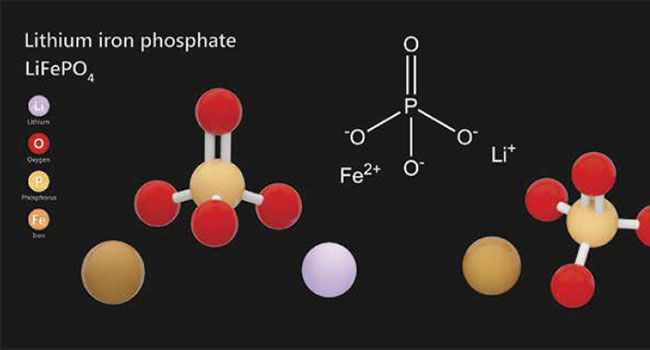
Lithium Iron Phosphate batteries, also known as LiFePO4 batteries,
usher in a new generation of DC power that, for all intents and
purposes, will eventually render Sealed Lead Acid (SLA) batteries
obsolete. LiFePO4 batteries are being used with great success in a
myriad electronic devices ranging from drones and smoke detectors
to recreational vehicles and solar energy systems.
LiFePO4 are quickly becoming the batteries of choice given their
superior longevity, high level of efficiency, and improved safety compared
to SLA batteries. Lithium Iron Phosphate battery technology
is now becoming a cornerstone of power and transmission devices,
first introduced by Altronix, which provides security professionals
with a unique value proposition to ensure continuous operation of
critical systems and at lower overall cost.
LiFePO4 batteries offer a tremendous improvement over legacy
SLA batteries and back-up solutions. Although the initial purchase
price of a LiFePO4 battery is more than a conventional SLA battery,
it offers a significantly lower Total Cost of Ownership (TCO) with a
cost per cycle of approximately $0.31 versus $0.92 for SLA batteries.
Factors impacting these calculations include the fact that LiFePO4
batteries can cycle up to 5,000 times over their life span versus only
up to 500 cycles for SLA batteries.
Additionally, LiFePO4 batteries have a 10 year shelf life which
allows resellers the ability to leverage their buying power as SLA batteries
require charging every six months while not in use.
Also, because LiFePO4 batteries allow for rapid charging and discharging,
they deliver more uptime, keeping systems running longer.
Another key feature of Lithium Iron Phosphate batteries is that they
operate more efficiently in high-stress environments where temperature
fluctuations can adversely affect SLA battery life. It’s easy to
see that LiFePO4 batteries provide increased operational efficacy for
critical systems.
'LiFePO4 batteries are made from light metals, which results in a
weight reduction of 33 to 50 percent versus conventional SLA batteries.
This reduces shipping costs and provides an environmental
benefit since they do not contain toxic chemicals that cause decay in
SLA batteries. This makes recycling and redistribution both easier
and more cost-effective by reducing the added cost and time associated
with disposing SLA batteries.
'The first power and data transmission security products featuring
LiFePO4 battery backup technology is Altronix’s new series of Net-
Way Spectrum Hardened PoE+ Switches. The products in this new
series are optimized to leverage the numerous benefits of LiFePO4
battery charging and back-up with unique features to eliminate the
necessity and weight of four SLA batteries by allowing for a single
12VDC LiFePO4 battery to provide 48VDC backup.
'The introduction of LiFePO4 battery charging from Altronix, for
demanding power and transmission solutions, represent
a significant breakthrough for the professional
security industry. It’s an innovation impacting
virtually all surveillance, access, security and
fire systems by greatly improving the reliability,
uptime and TCO of new and existing systems.
This article originally appeared in the April 2019 issue of Security Today.
About the Author
JR Andrews is the national sales executive at Altronix.