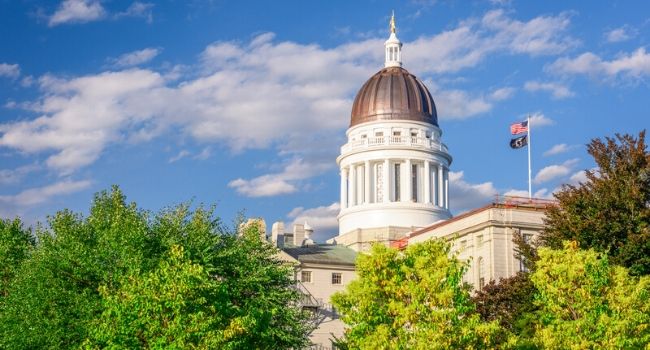
Law enforcement in Maine have cited a 2013 law stating they are not required to disclose if they are using facial recognition or cellphone signal interceptors. Two lawmakers hope to change that.
- By Haley Samsel
- Feb 18, 2020
Two Democratic senators want to temporarily pause the government’s use of facial recognition technology while a commission develops regulations.
- By Haley Samsel
- Feb 14, 2020
At a Thursday hearing, Rep. Bennie Thompson said he is not on a “moratorium route” but supports regulation of the software, which has been found to have accuracy issues for people of color.
- By Haley Samsel
- Feb 07, 2020
For organizations that wish to monitor their premises, video surveillance is most often the first solution they think of.
- By Chris Wildfoerster
- Feb 01, 2020

The interconnectivity and integrations created by the Internet of Things (IoT) deliver many benefits, but because all devices and systems can be vulnerable to breaches, this hypoconnectivity can also have a major downside.
- By Ryan Zatolokin
- Feb 01, 2020
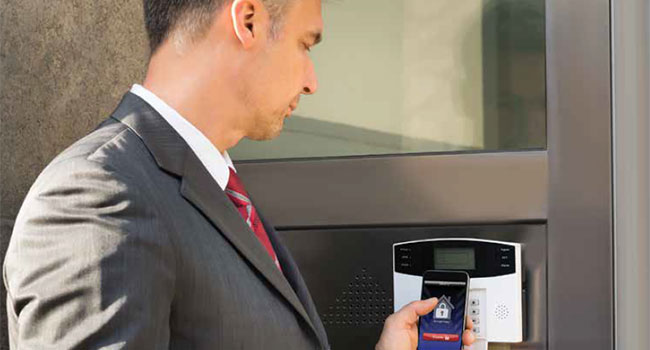
Access control advancements over the years have been notable: transitioning from keys and locksets, to cards and card readers, to the sophisticated access control management systems of today.
- By Kevin Anderson
- Feb 01, 2020
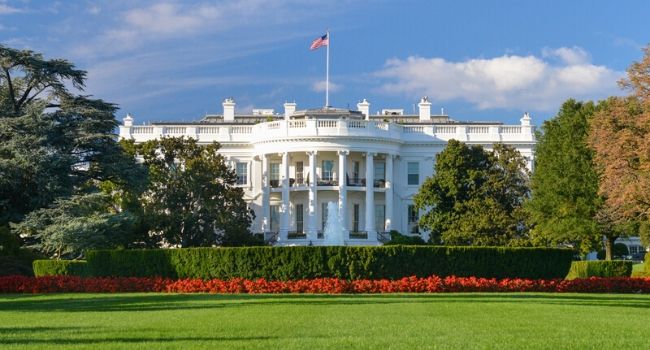
Over 40 groups sent a letter to the Privacy and Civil Liberties Oversight Board on Monday asking the agency to recommend that the executive branch put a moratorium on facial recognition.
- By Haley Samsel
- Jan 29, 2020
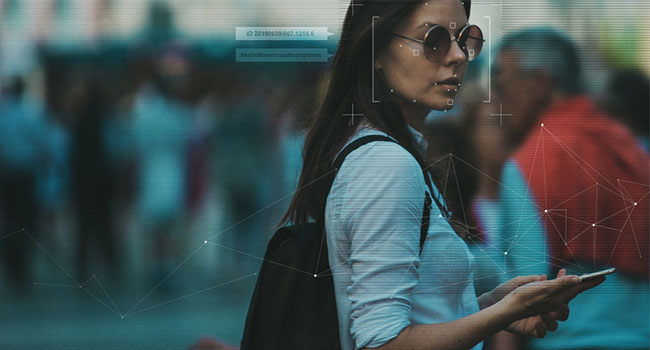
New Jersey police are banned from using Clearview AI’s app, and Twitter has demanded that the small company delete any photos collected from its website.
- By Haley Samsel
- Jan 28, 2020
The agency says that the privacy risks to travelers will actually be lower with the facial scans, since they will no longer have to offer fingerprint data in order to enter the U.S.
- By Haley Samsel
- Jan 23, 2020

While the ban is on the table, EU leadership ultimately says it would be a “far-reaching measure” with the potential to stifle the development of the technology.
- By Haley Samsel
- Jan 21, 2020
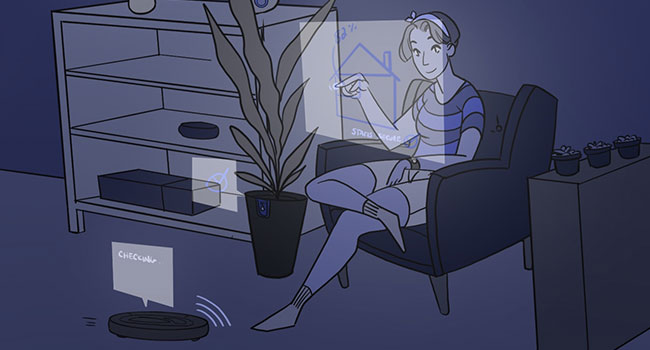
AI isn’t going to replace us, but it will make it easier to deliver services that keep people safe.
- By Dave Mayne
- Jan 16, 2020
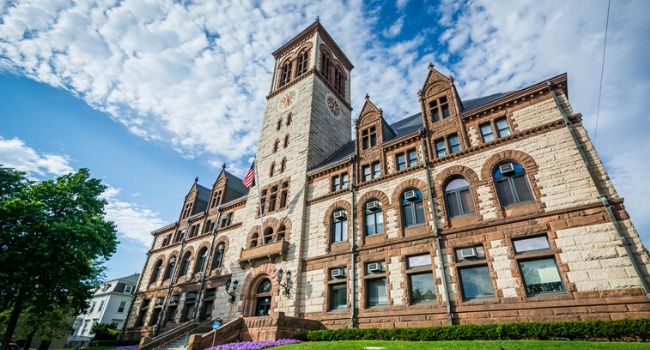
A bill is currently before the state House that would ban government use of biometric technology until the legislature regulates how agencies can adopt it.
- By Haley Samsel
- Jan 15, 2020

The data privacy bill would give consumers the right to access and delete data collected about them, while the facial recognition legislation would regulate government use of the software.
- By Haley Samsel
- Jan 15, 2020
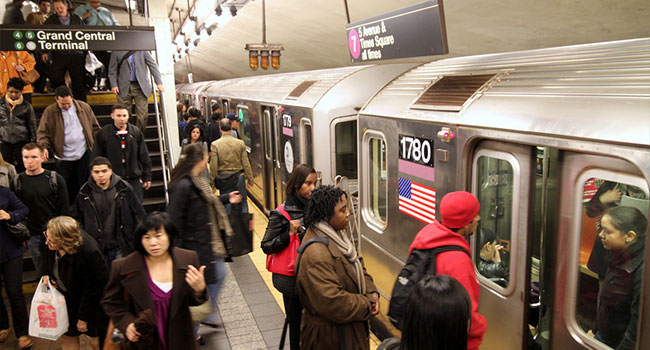
The Metropolitan Transportation Authority maintains that it has not used facial recognition on riders, but privacy advocates want records related to the technology the agency purchased.
- By Haley Samsel
- Jan 10, 2020
Native Americans had the highest rates of false positives, while African-American women were most likely to be misidentified in a law enforcement database.
- By Haley Samsel
- Dec 24, 2019
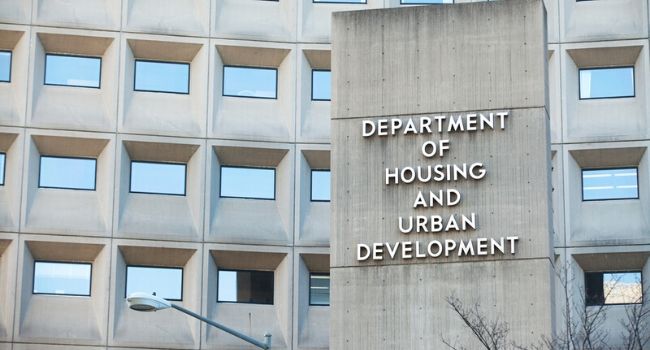
Eight Democrats in the House and Senate want to know if public housing residents are included in decisions about facial recognition use.
- By Adam Mazmanian
- Dec 20, 2019
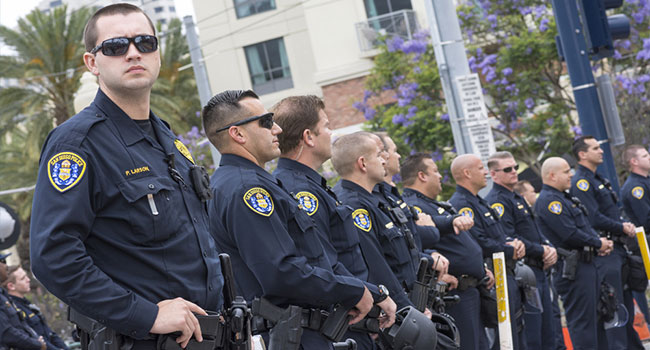
Thanks to a statewide policy banning law enforcement use of facial recognition for three years, several agencies in San Diego will lose access to a database of facial scans.
- By Haley Samsel
- Dec 17, 2019
The vote marks the fourth town that has banned facial recognition this year, following Somerville, Mass. and San Francisco and Oakland in California.
- By Haley Samsel
- Dec 16, 2019
There is little known about the government’s use of “stingrays,” which tracks the locations of a cell phone and all devices within its range.
- By Haley Samsel
- Dec 13, 2019
The Port of Seattle Commission approved a moratorium on new biometric technology programs on Tuesday amid concern over data privacy and the tool’s accuracy.
- By Haley Samsel
- Dec 13, 2019