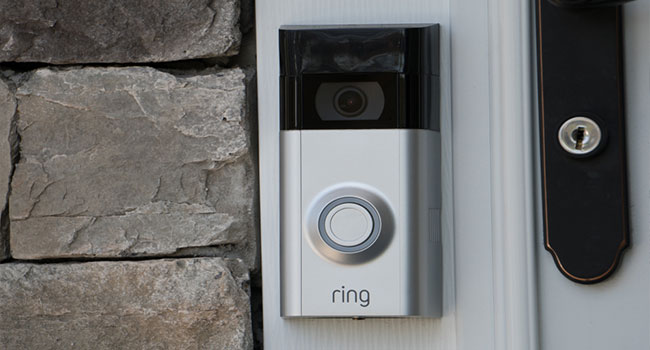
Ring Responds to Hacking Reports With New Privacy Options In Mobile App
The company has faced complaints, and a lawsuit, from customers that hackers were able to take over accounts and speak to children through the doorbell camera’s speaker.
- By Haley Samsel
- Jan 07, 2020
After a rough few weeks of several customers reporting account takeovers by hackers, Ring announced the creation of a new privacy dashboard in its mobile apps on Monday.
The privacy section, which will be available on iOS and Android versions of the Ring app later this month, allows users to manage their connected devices, access to third-party information and whether police departments can contact them to request they share video from their Ring cameras in the case of a criminal incident.
Ring’s move to make privacy settings more of a priority within its app comes after users reported that their accounts were hacked. The company said the takeovers were not the result of a security breach of Ring’s servers, but from customers using the same emails and passwords that were revealed in previous breaches. Hackers were able to take the account information and gain access to their cameras, leading to scary consequences.
Read More: Hackers Have Developed Software To Break Into Ring Security Camera Accounts, And It’s Working
"We want to give full control to the customer to do exactly what they want, understand what's happening and feel in control. That's a good thing," Ring CEO Jamie Siminoff told CNET. "It's something that we're going to lead on."
Cybersecurity experts have criticized the company for not requiring customers to set up two-factor authentication, which would make it more difficult for hackers to get into accounts using previously compromised passwords. Motherboard also reported that Ring’s systems allowed multiple logins from different locations and IP addresses without telling users about the new login attempts.
In response, Ring has added the ability for users to see how many users are currently logged into their account and delete unknown logins. Two-factor authentication, which the company already offered, is also featured on the dashboard.
Critics of the company, which is owned by Amazon, say that the privacy dashboard is not enough of a step to protect customer information.
“Despite a string of terrifying stories about Ring cameras being accessed in the most grotesque ways, the company doesn’t appear to be making any meaningful changes to their product,” said Evan Greer, the deputy director of the digital privacy group Fight for the Future. “Instead, they’ve basically given their app a re-design and called it a new feature.”
Ring will likely be dealing with the aftermath of the security issues for months to come, as a California man filed a class-action lawsuit against the company in late December. The suit claims that Ring was negligent in addressing the doorbell cameras’ security vulnerabilities, allowing a hacker to take over the plaintiff’s device and speak to his children through the speaker.
About the Author
Haley Samsel is an Associate Content Editor for the Infrastructure Solutions Group at 1105 Media.