Synectics to Showcase Offshore Security Tech at OTC
Integrated monitoring and AI analytics aim to eliminate visibility gaps for oil and gas operators at the upcoming Houston event.
- By Jesse Jacobs
- Apr 24, 2026
Offshore operators are increasingly turning to integrated surveillance and analytics to eliminate risk blind spots in automated and remote environments. Synectics announced it will demonstrate these technologies at the Offshore Technology Conference in May.
Across oil and gas facilities, drilling rigs and offshore wind installations, operators face the challenge of maintaining safety in environments that are increasingly distributed and resource-constrained. The industry is moving toward systems that provide real-time awareness to simplify safety and security tasks without adding technical complexity.
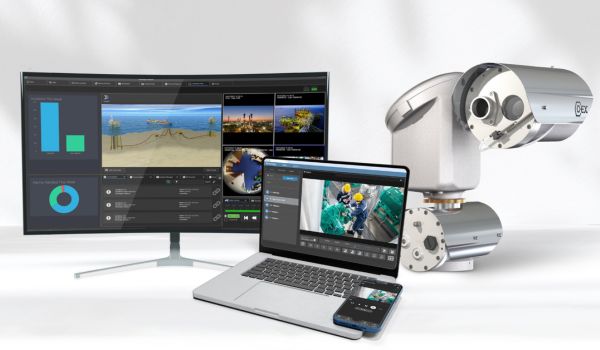
The hardware on display at the conference will include marine-grade cameras built for hazardous areas and radiometric thermal imaging. These thermal sensors monitor temperature changes in real time, identifying equipment wear or leaks in process-intensive assets, such as LNG facilities, before they escalate into critical failures.
Beyond visual recording, modern surveillance uses edge and server-based analytics to support active operations. Artificial intelligence can now automatically detect if a worker is not wearing proper personal protective equipment, identify a person-down incident or flag unauthorized movement in restricted zones. This automation reduces the reliance on manual monitoring by staff.
For older offshore assets, the transition to high-tech monitoring often involves a phased approach. Rather than replacing entire systems, operators are increasingly retaining existing cabling and cameras while gradually introducing IP video and remote monitoring software.
These surveillance platforms are also being linked directly to drilling control systems. This integration allows operators to view live video feeds alongside operational data from the driller’s chair. By connecting video with radar, access control and perimeter detection, crews can verify alarms and track vessel movements more accurately to reduce unnecessary manual interventions.