Brivo Security Platform poster

Brivo Launches AI Friendly API for Security Integrators

Upgrades to the cloud-native platform allow developers to use artificial intelligence agents to build custom security apps in hours.

Physical security provider Brivo announced an upgrade to its software platform today that allows artificial intelligence to quickly connect building access controls and video surveillance into business applications.

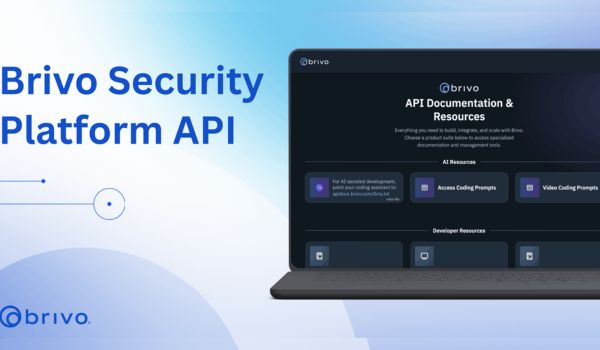
The updated Brivo Security Platform API includes machine-readable documentation designed for AI agents to write code, build features and scale custom systems. Company officials said the modifications lower development costs and make custom integrations viable for a wider variety of corporate workflows.

Systems integration firm Alarm Masters recently utilized the interface alongside an AI coding tool to connect Brivo’s access control with a separate intrusion detection system.

According to Alarm Masters executives, using natural language to command an AI tool to build the integration eliminates the traditional barriers of waiting on manufacturer software roadmaps or hiring dedicated development teams.

The security platform supports major large language models, including Gemini, Claude and OpenAI’s GPT, alongside agentic coding tools like Codex and Cursor. Security integrators can leverage the tools to create a single application managing both access endpoints and video streams.

Early deployments of the updated API include a gym franchise syncing member databases to automate facility doors based on payment status, a property rental group generating temporary digital keys for self-guided tours and commercial offices automating parking gate entry through license plate recognition.

The cloud-native security company operates an open architecture model featuring a RESTful API. Brivo merged with video surveillance firm Eagle Eye Networks late last year, combining their respective video and access platform interfaces into the current unified system.

About the Author

Jesse Jacobs is assistant editor of SecurityToday.com.

Featured

New Products

  • Luma x20

    Luma x20

    Snap One has announced its popular Luma x20 family of surveillance products now offers even greater security and privacy for home and business owners across the globe by giving them full control over integrators’ system access to view live and recorded video. According to Snap One Product Manager Derek Webb, the new “customer handoff” feature provides enhanced user control after initial installation, allowing the owners to have total privacy while also making it easy to reinstate integrator access when maintenance or assistance is required. This new feature is now available to all Luma x20 users globally. “The Luma x20 family of surveillance solutions provides excellent image and audio capture, and with the new customer handoff feature, it now offers absolute privacy for camera feeds and recordings,” Webb said. “With notifications and integrator access controlled through the powerful OvrC remote system management platform, it’s easy for integrators to give their clients full control of their footage and then to get temporary access from the client for any troubleshooting needs.”

  • Unified VMS

    AxxonSoft introduces version 2.0 of the Axxon One VMS. The new release features integrations with various physical security systems, making Axxon One a unified VMS. Other enhancements include new AI video analytics and intelligent search functions, hardened cybersecurity, usability and performance improvements, and expanded cloud capabilities

  • Automatic Systems V07

    Automatic Systems V07

    Automatic Systems, an industry-leading manufacturer of pedestrian and vehicle secure entrance control access systems, is pleased to announce the release of its groundbreaking V07 software. The V07 software update is designed specifically to address cybersecurity concerns and will ensure the integrity and confidentiality of Automatic Systems applications. With the new V07 software, updates will be delivered by means of an encrypted file.