Trade Group Releases Standards for License Plate Reader Technology
The Security Industry Association releases policy guidance to curb automated license plate reader misuse while supporting public safety efforts.
- By Jesse Jacobs
- Sep 10, 2026
The Security Industry Association has released a set of policy principles designed to guide government standards for automated license plate reader technology. The guidance outlines recommendations for federal and state lawmakers to mitigate privacy concerns, limit potential misuse and establish procedural guardrails for law enforcement agencies.
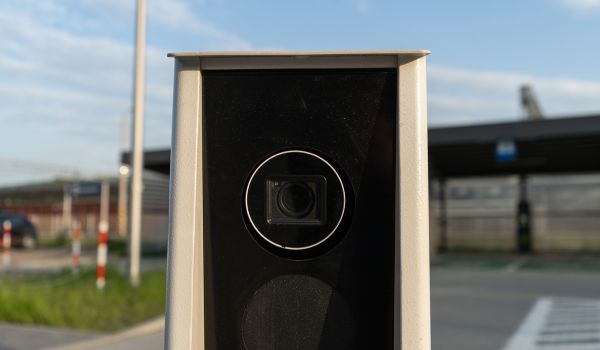
Automated license plate readers capture images of vehicle plates on public roadways and convert them into alphanumeric data. The scans are compared against authorized databases, such as missing person alerts or stolen vehicle lists, to generate investigative leads.
The trade association's published principles urge policymakers to mandate strict data retention limits for non-evidentiary scans, implement hardware-level encryption and establish auditable access controls. The policy guidelines also emphasize that system outputs should serve only as investigative leads and require human verification before taking law enforcement action.
"Public policy governing the use of ALPR systems should ensure a heightened level of accountability for government use, provide strong prohibitions against misuse and authorize meaningful enforcement mechanisms," said Don Erickson, chief executive officer of the association.
The framework highlights that plate scans record vehicle locations in public spaces rather than personally identifiable information. Access to driver registration records remains governed separately under the federal Driver's Privacy Protection Act. The association noted that courts have consistently upheld point-in-time public roadway scans under Fourth Amendment standards, distinguishing the technology from continuous, long-term location tracking.
In addition to law enforcement safeguards, the association called for protecting commercial uses of the technology, including parking management, access control and retail operations. The group invited members of the public safety, academic and privacy communities to collaborate on future policy frameworks.