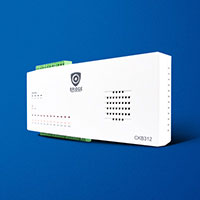
OPTEX 12 Channel Visual Verification Bridge CKB-312

OPTEX 12 Channel Visual Verification Bridge CKB-312

OPTEX is expanding its Intelligent Visual Verification solution by introducing a 12 Channel Visual Verification Bridge (Model: CKB-312). This powerful gateway is the new hardware device that allows security professionals to connect ONVIF compatible cameras and alarm sensors to the Cloud based Visual Verification Portal powered by CHeKT.

Aimed primarily to monitored alarm systems, the solution provides central station operators the ability to visually verify alarm threats within seconds, and respond accordingly. When installed and maintained properly, this system can eliminate 100% of false dispatches and dramatically increase customer satisfaction and retention. The solution allows the operator to share video alarm event with the site emergency contacts to validate or dismiss the alarm.

The CKB-312 allows the integrator to pair up to 12 cameras with 12 sensors for visual verification of events. It simplifies the installation for larger sites using a single device to transmit twelve event driven cameras feeds. Installing the CKB312 as an alarm panel module, is a cost-effective way to add video to existing intruder systems, using the legacy equipment and to build new visual verified security systems.

In addition, a smart-phone App is available, allowing end users the option to have a professionally installed and self-monitored visual verification solution.

“The 12 channel Bridge perfectly complements the existing 4 channel Bridge and gives more options to the installer. Offering a cost-effective solution to add video to monitored alarm systems increases the benefits significantly to the end users. Integrators can confidently bring the security solution outside by adding external intrusion sensors to deter any break-ins,” said Rob Blair, CEO of Optex Inc.


Featured

New Products

  • PE80 Series

    PE80 Series by SARGENT / ED4000/PED5000 Series by Corbin Russwin

    ASSA ABLOY, a global leader in access solutions, has announced the launch of two next generation exit devices from long-standing leaders in the premium exit device market: the PE80 Series by SARGENT and the PED4000/PED5000 Series by Corbin Russwin. These new exit devices boast industry-first features that are specifically designed to provide enhanced safety, security and convenience, setting new standards for exit solutions. The SARGENT PE80 and Corbin Russwin PED4000/PED5000 Series exit devices are engineered to meet the ever-evolving needs of modern buildings. Featuring the high strength, security and durability that ASSA ABLOY is known for, the new exit devices deliver several innovative, industry-first features in addition to elegant design finishes for every opening.

  • Automatic Systems V07

    Automatic Systems V07

    Automatic Systems, an industry-leading manufacturer of pedestrian and vehicle secure entrance control access systems, is pleased to announce the release of its groundbreaking V07 software. The V07 software update is designed specifically to address cybersecurity concerns and will ensure the integrity and confidentiality of Automatic Systems applications. With the new V07 software, updates will be delivered by means of an encrypted file.

  • ResponderLink

    ResponderLink

    Shooter Detection Systems (SDS), an Alarm.com company and a global leader in gunshot detection solutions, has introduced ResponderLink, a groundbreaking new 911 notification service for gunshot events. ResponderLink completes the circle from detection to 911 notification to first responder awareness, giving law enforcement enhanced situational intelligence they urgently need to save lives. Integrating SDS’s proven gunshot detection system with Noonlight’s SendPolice platform, ResponderLink is the first solution to automatically deliver real-time gunshot detection data to 911 call centers and first responders. When shots are detected, the 911 dispatching center, also known as the Public Safety Answering Point or PSAP, is contacted based on the gunfire location, enabling faster initiation of life-saving emergency protocols.