Homeland Security to Begin Massive Study on Subway Airflow
- By Sydny Shepard
- May 09, 2016
Starting May 9, a massive study will begin to examine the air flow through tunnels in the New York subway system as a proactive measure against terrorist attacks on mass transit units.
In order to complete the study, The Department of Homeland Security and New York Metropolitan Transportation Authority will be placing 200 chemical tracers at dozens of subway stations across the city.
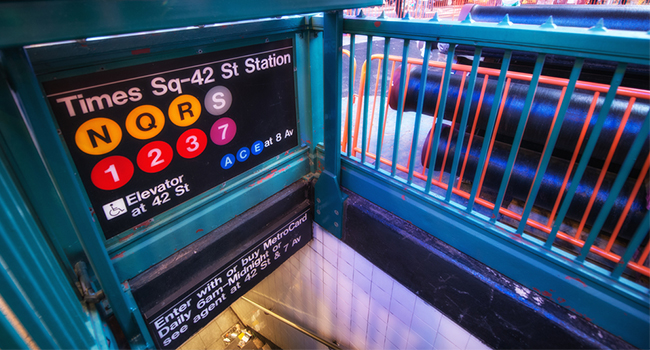
To show the path of air flow, there will be scheduled released of a safe, harmless gas from Grand Central Terminal, Penn Station and the Times Square Station. This will tell researchers in real time data aerosol concentrations and the particle concentrations in the stations after the releases. It will also give security professionals a good idea of the boundaries of contamination should a biological chemical attack occur.
“This is important information to help local authorities enhance their emergency preparedness for an event that might occur in the subway if there’s a release of biological material or a chemical material,” Dr. Donald Bansleb with Homeland Security told CBS.
About the Author
Sydny Shepard is the Executive Editor of Campus Security & Life Safety.