Axis Communications Creates AI-powered Video Surveillance Orchestra
What if cameras could not only see the world, but interpret it—and respond like orchestra musicians reading sheet music: instantly, precisely, and in perfect harmony? That’s what global network technology leader Axis Communications set to find out. Axis is exploring what lies beyond traditional video surveillance by launching the world’s first musical performance played entirely on AI-powered video surveillance cameras and speakers. Axis created an orchestra using the same cutting-edge technology that keeps people safe and secure, challenging what is possible when it comes to detecting custom objects and triggering actions in real time.
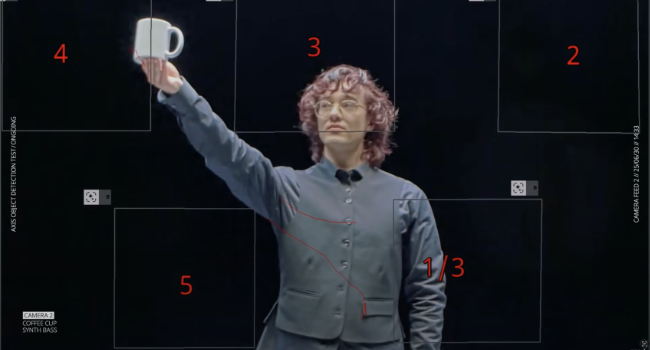
By pairing high-performance cameras with AI-based analytics, Axis has created a new kind of instrument that reads everyday objects like tennis balls and coffee cups as musical cues. With the help of Swedish music producer Jonas Quant, the object detection orchestra performed its own version of Also Sprach Zarathustra (made famous by 2001: A Space Odyssey), with each note triggered by an item entering the camera’s field of view.
The object detection orchestra is more than a novelty: it showcases advanced, AI-based video analytics can be trained to identify almost anything and trigger a variety of actions in real time. Today, this same technology is taking video surveillance far beyond security. It’s powering automation, enabling smart cities, and shaping the future of machine interaction.