London Borough Revamps Security Network With Edge AI
A major technology upgrade allows Barnet Council to add intelligent analytics to its existing infrastructure while cutting server costs.
- By Jesse Jacobs
- Jul 08, 2026
The largest borough in London by population is transforming its public safety infrastructure through a phased video surveillance upgrade.
Barnet London Borough Council, which serves nearly 350,000 residents, recently faced a critical infrastructure deficit when only 15 to 20 of its 3,000 security cameras were operational. To resolve the issue and modernize its system, the local authority partnered with i-PRO Co. Ltd. and Genetec to deploy edge-computing artificial intelligence analytics.
The modernization relies on an AI processing application that integrates directly with the council's existing legacy cameras, including hardware from other manufacturers. By processing data on the "edge"—directly on the camera equipment rather than routing heavy video files back to a centralized server—the system minimizes network strain and transmits only metadata. Officials estimate this decentralized approach will save £600,000 over five years compared to server-based alternatives.
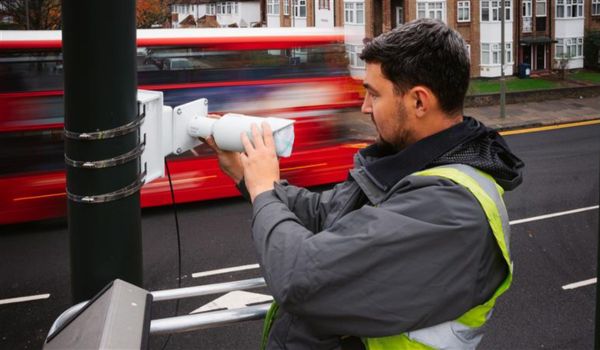
In the initial phase of the rollout, workers deployed 127 bullet cameras for public safety, 10 fisheye cameras in local libraries for footfall tracking and re-deployable 5G units for outdoor festivals and community events. The system integrates into a newly upgraded control room utilizing a Genetec video management system, which allows operators to filter video by specific attributes to assist the Metropolitan Police during investigations.
Beyond security, the council plans to use the real-time data for urban planning, traffic management and infrastructure investments. In unmanned libraries, the system monitors occupancy and uses audio detection to identify disturbances before automated evening lockdowns.
A second phase of the project has received approval to add 60 to 70 more cameras. Future smart-city plans include potential integrations with environmental sensors, flood detection systems and traffic signals. The technology does not utilize facial recognition software and complies with data privacy regulations.